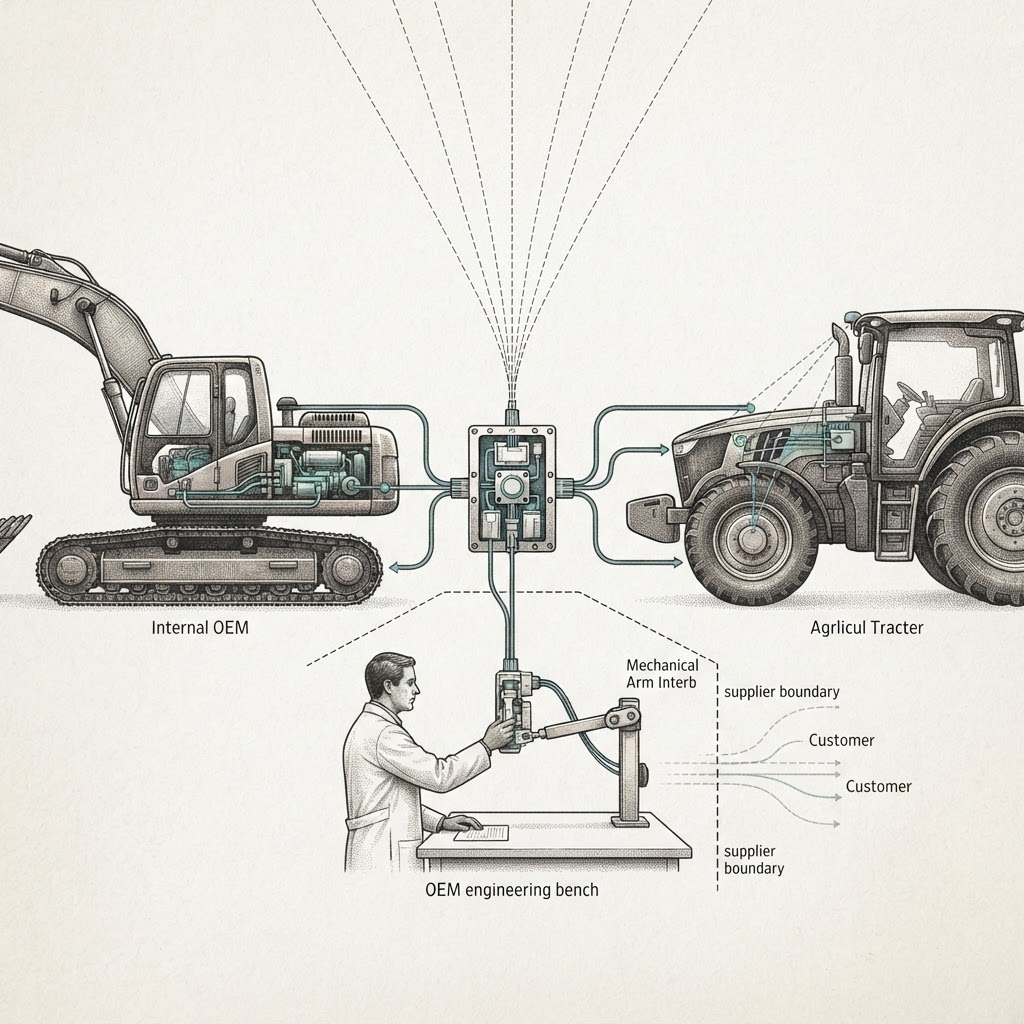
Hemisphere GNSS has been acquired in a move intended to bring high-precision positioning technology further into construction and agricultural equipment. The deal reflects manufacturers’ effort to own more of the systems behind machine guidance and automation, though its terms and integration plans remain undisclosed.
Hemisphere GNSS, a supplier of high-precision satellite positioning and heading technology for construction and agricultural machinery, has been acquired in a strategic move aimed at strengthening machine-control capabilities. The transaction puts a specialized technology provider closer to the equipment systems manufacturers are seeking to develop and manage themselves.
DIG Analysis — 2026-10-19: The strategic logic is clear, but the available details are not. The acquisition is intended to integrate advanced GNSS solutions more directly into original equipment manufacturers’ technology stacks. The buyer, purchase price, and timetable for integration were not provided in the information reported by Equipment World.
Positioning moves inward
GNSS receivers and heading systems help machinery determine where it is and how it is oriented. In construction, that information supports guidance and machine control on jobsites. In agriculture, it can inform equipment paths and field operations. The practical value depends on how accurately positioning data can be delivered and used alongside other machine systems.
For manufacturers, bringing this capability closer to the machine can reduce dependence on third-party components and give engineering teams more control over how positioning works with displays, control units, software, and implement functions. It may also help OEMs coordinate product development and support across equipment lines. Those are potential benefits, not outcomes established by the transaction itself.
Hemisphere’s acquisition follows a broader pattern: manufacturers are seeking greater control over software and sensors that underpin automation. The strategy has a cost. Integration requires engineering resources, product testing, and continued support for customers using existing systems. The acquired technology must also work across a range of machine platforms and operating conditions, rather than only in a controlled development environment.
“The acquisition aims to integrate advanced GNSS solutions directly into OEM equipment stacks to improve site accuracy and automation.”
Equipment World, reporting on the transaction
Integration is the test
The deal’s stated purpose points to integration as the central measure of success. Positioning hardware can contribute to machine control, but it does not by itself deliver an automated operation. OEMs must connect location and heading data to machine controls, operator interfaces, correction services, and software workflows. Performance depends on the full chain, including signal conditions and the way systems are calibrated and maintained.
That work can be difficult to standardize. Equipment manufacturers serve different machine classes, customer segments, and regional markets. They also operate with established supplier relationships and product-development cycles that can stretch over several years. An acquisition may give a buyer more direct access to engineering expertise and intellectual property, but it does not eliminate those constraints.
The public account does not identify the acquirer or specify whether Hemisphere will continue selling broadly to equipment makers and other customers. That omission leaves open a key commercial question: whether the business will remain a neutral supplier or become more closely tied to one manufacturer’s platforms. A narrower channel could affect how other OEMs assess product access and long-term support.
What remains unknown
Financial terms and operating plans have not been disclosed in the supplied reporting. There is no stated target for cost savings, revenue growth, or the pace at which Hemisphere technology will appear in production equipment. Nor is there information about staffing, product road maps, or existing customer agreements.
Those details matter because positioning systems are embedded in products with long service lives. Equipment makers and customers need to know how current components will be supported as new machine-control functions are added. Suppliers, in turn, will be watching whether the acquisition changes access to Hemisphere technology or the terms on which it is offered.
For now, the transaction signals an effort to bring a core positioning capability inside the machinery value chain. Its commercial significance will depend on what the buyer discloses next: the integration plan, the treatment of existing customers, and the first equipment programs expected to use the technology.
 Translate