
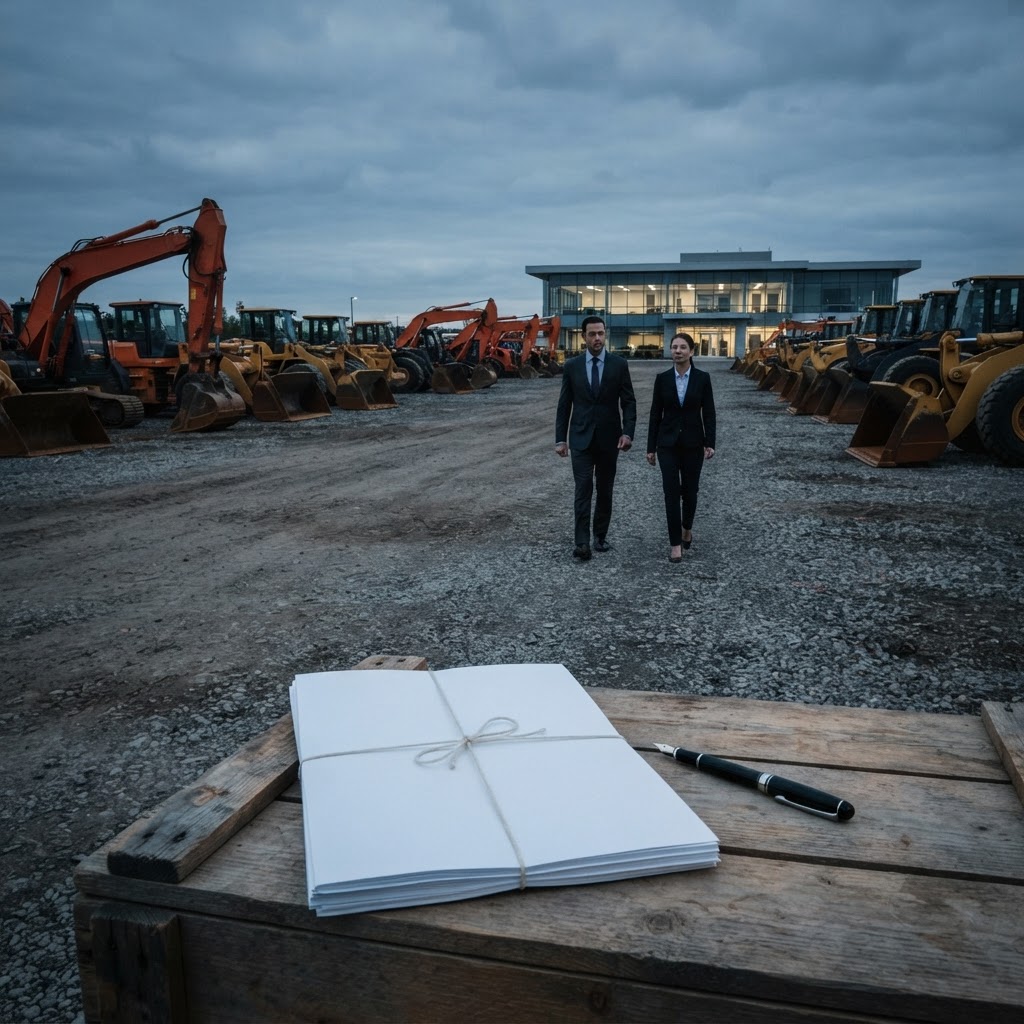
Hitachi Ltd. has completed the final step in a yearslong separation from Hitachi Construction Machinery by selling its remaining capital stake, ending the parent conglomerate's direct ownership in the construction equipment maker. The transaction, reported by Equipment World, closes a deliberate corporate unwind that moves the machinery business further from the corporate center and lets Hitachi Ltd. redeploy capital into other industrial segments.
DIG Analysis 6 2026-08-21: This sale is not a single event. It is the conclusion of a multi-year strategy to convert a closed, affiliated OEM into a distinct, stand-alone manufacturer in financial and operational terms. Expect clearer capital allocation, sharper market positioning at the OEM level, and renewed pressure on dealer networks and aftermarket contracts.
What happened and the mechanics of the exit
According to Equipment World, Hitachi Ltd. sold its last equity interest in Hitachi Construction Machinery, completing a phased divestment that began with governance and board changes and continued through minority stake sales. The move severs the last formal capital tie while leaving other commercial links possible through contracts, supply arrangements, and licensing if parties choose to retain them. The sale also transfers any remaining shareholder influence to external investors or strategic partners who now hold the residual stake.
That transfer changes who signs off on long-term investment plans, R&D budgets, and large capital expenditures. Hitachi Construction Machinery will now answer primarily to its independent ownership group and markets, not to a diversified parent whose priorities span power systems, IT, and social infrastructure. For creditors and capital markets, the company is a cleaner credit and equity story. For Hitachi Ltd., the transaction frees up cash and management attention for prioritized segments.
Why this matters to OEM strategy, distribution, and aftermarket
The practical consequences are concrete. With the parent out of the capital picture, Hitachi Construction Machinery gains independence in strategic choices such as product portfolio prioritization, joint ventures, and targeted M&A. That independence can accelerate decisions on electrification of models, emissions compliance investments, and global production footprints. It also places full responsibility for dealer support, warranty policy, and parts strategy squarely on the OEM without the safety valve of a corporate parent.