 Translate

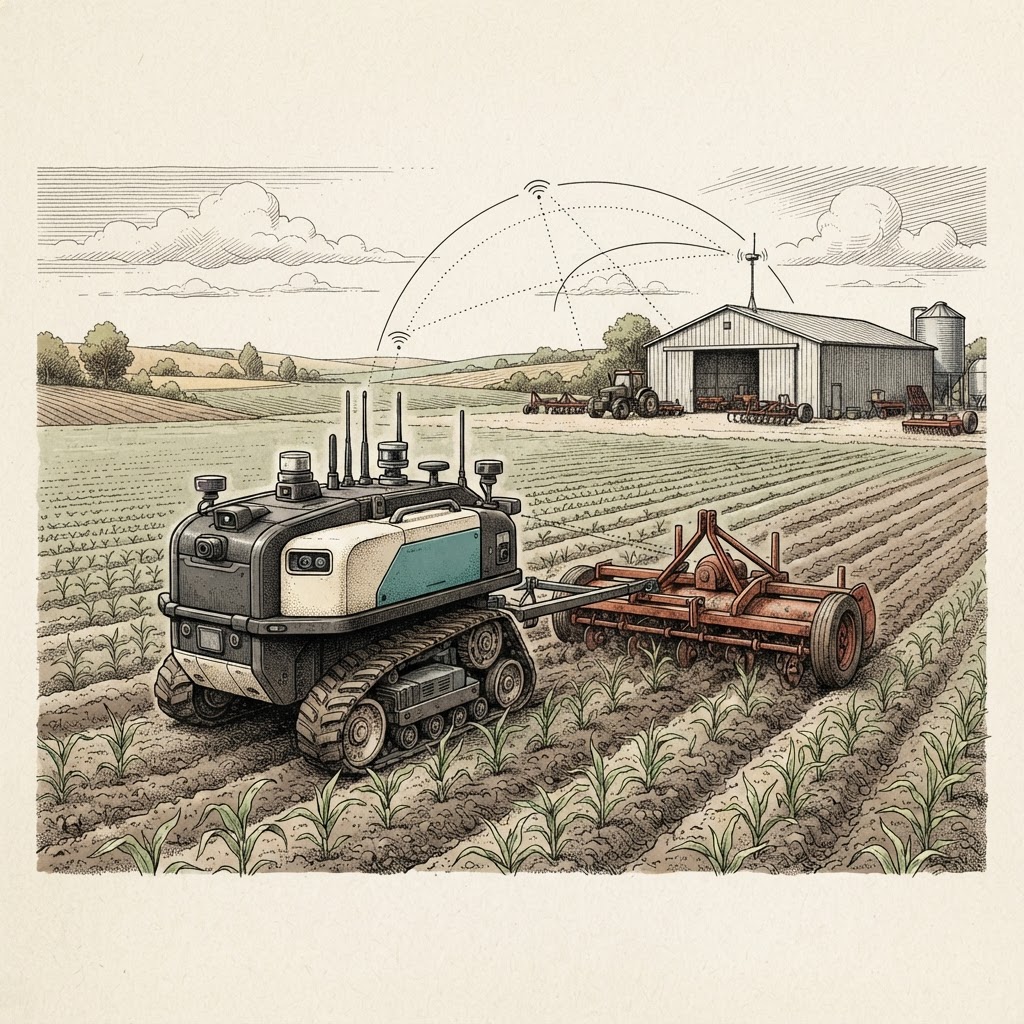
Naïo Technologies is adding a different kind of machine to its agricultural robotics line: the Sanka, an electric autonomous robot designed to operate with conventional farm implements. The company has scheduled first customer deliveries for the second half of 2027, placing the machine’s commercial test more than a year away.
DIG Analysis — 2026-11-11: Sanka’s significance will depend less on autonomy as a headline feature than on whether farms can fit it into existing equipment and work routines. Using conventional implements could reduce the need for specialized tools, but it does not by itself establish what tasks the robot can perform, how much labor it can replace or whether its operating economics will work across different farm sizes.
Cultivar Magazine reported the unveiling. Naïo described Sanka as an electric autonomous machine using RTK GPS for precision navigation. The announcement expands the French company’s portfolio of autonomous field solutions, though the information released so far provides few details with which to assess the product’s capacity or expected cost.
Compatibility is the test
Designing a robot around conventional implements addresses a practical barrier to adoption. Farms have already invested in tools and attachments, and a vehicle that can use them may fit more readily into an established equipment fleet than one requiring a separate set of implements. That proposition is conditional, however. The company has not specified which implement types Sanka will support, what coupling or control changes may be required, or whether compatibility will vary by crop and field operation.
Those details determine how much of the machine’s apparent flexibility reaches the field. An implement may be mechanically attachable yet still require adjustments to operating speed, depth, turning behavior or monitoring. RTK GPS can provide precise positioning, but positioning alone does not resolve the operational demands of a specific task. The announcement does not say how Sanka handles obstacles, changing field conditions or tasks that require an operator to supervise several machines.
For farm managers, the relevant comparison is not simply autonomous versus manual. It is the total cost and reliability of a work cycle, including setup, supervision, maintenance and downtime. If the robot can use equipment a farm already owns, that could reduce one category of investment. The scale of any savings remains unknown until Naïo discloses pricing, operating limits and service requirements.
“The company has scheduled first customer deliveries for the second half of 2027, placing the machine’s commercial test more than a year away.” DIG Analysis
A longer road to revenue
The delivery target gives the launch a clear timeline, but not a measure of demand. Naïo has not announced initial order volumes, customer names, production capacity or a price. Nor has it said whether deliveries will begin in one market or several. Those omissions matter: a small first batch could serve as a field-validation program, while a larger rollout would require the company to demonstrate manufacturing readiness and a support network able to keep machines working during seasonal windows.
That timing also leaves room for technical and commercial changes before customers take delivery. In agriculture, a delayed or unavailable machine can push work into a narrower operating window, so reliability and parts support are part of the product’s value, not an after-sale detail. The company will need to show how Sanka is monitored, serviced and updated, and what happens when a task cannot be completed autonomously.
For Naïo, Sanka broadens the range of work it can address with autonomous field equipment. The move may also place the company in a different purchasing conversation: one centered on using existing implements and integrating a new power unit into farm operations. But the launch announcement does not establish that the robot can cover a broad range of jobs or compete with conventional tractors on cost. The next disclosed milestones will be specifications, customer trials and the terms attached to the first deliveries.
Naïo has set the first customer deliveries for the second half of 2027; until then, the Sanka remains a product announcement rather than a demonstrated operating result.
