 Translate

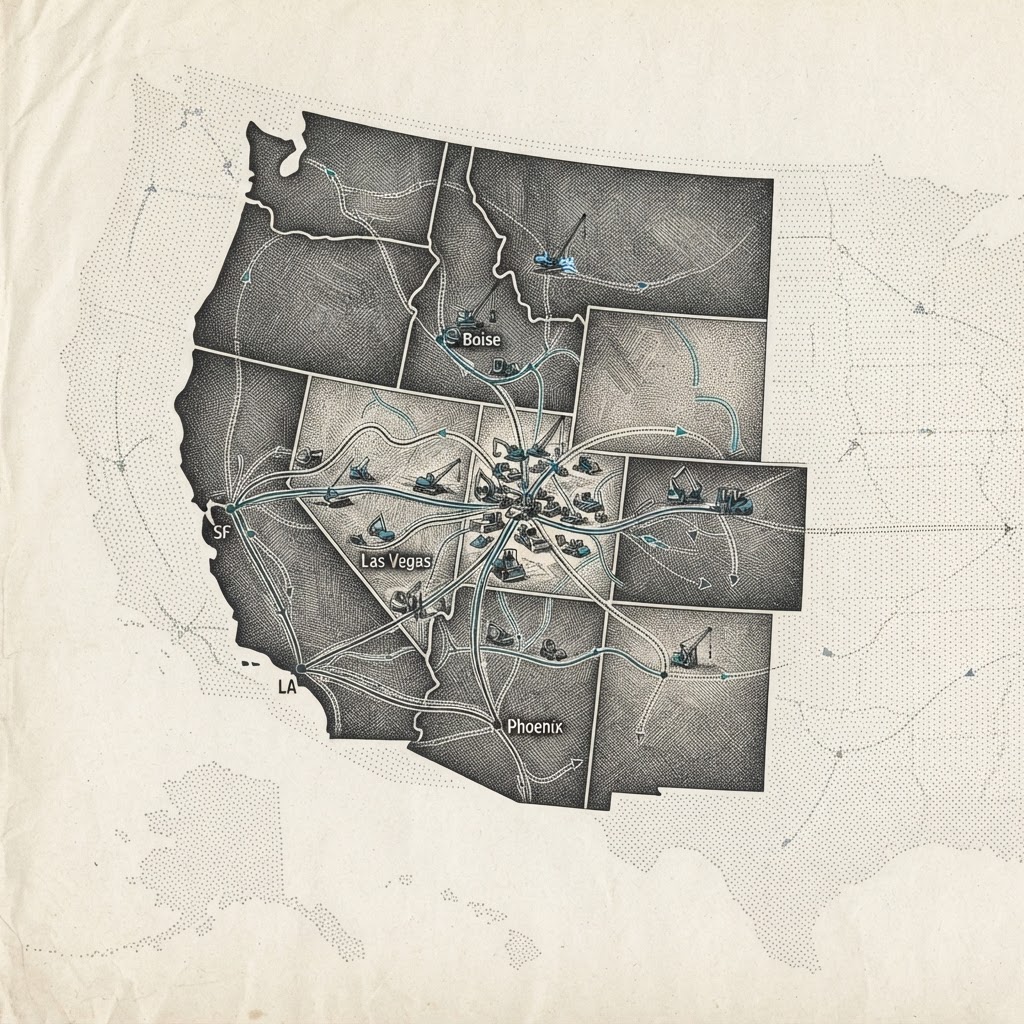
Opifex-Synergy has acquired ECCO Equipment Company, LLC, adding 11 rental locations across California, Arizona, Nevada, Utah and Idaho in its first major move into the Western United States. The transaction gives the company a presence in nine of the 11 largest U.S. equipment-rental markets and nearly doubles its total addressable market, according to the announcement.
DIG Analysis — 2026-11-18: The acquisition changes Opifex-Synergy’s geographic position more than it reveals about its operating model. The company is pursuing national scale through a purchase that supplies an established Western footprint, but it has not disclosed the price, financing, or expected timetable for integrating ECCO’s branches.
A western footprint
ECCO was acquired from an affiliate of Hitachi Construction Machinery Co., Ltd. The company’s 11 locations span five states, placing Opifex-Synergy in markets where it previously lacked a major operating presence. The expansion also brings the company closer to its stated goal of becoming a top-five national rental provider by the end of 2027.
That ambition depends on more than adding branches. Rental operators need equipment positioned close to customers, reliable service capacity and sufficient fleet utilization to cover the cost of ownership. A larger map can improve customer access and make equipment transfers between branches more practical. It can also add complexity: fleet availability, maintenance standards and local management must be coordinated across a broader territory.
The company’s claim that the deal nearly doubles its total addressable market signals a significant increase in potential reach, not a forecast of revenue or market share. The announcement does not provide ECCO’s fleet size, utilization, earnings or customer mix. Without those figures, it is difficult to judge how much of the expanded opportunity is already supported by local demand and how much depends on future investment.
Scale, with execution risk
Opifex-Synergy’s entry into the West arrives as equipment rental businesses compete on fleet availability and branch density, while customers weigh rental against ownership in response to project schedules and capital costs. Eleven locations offer a platform rather than a finished national network. Whether that platform delivers consistent economics will depend on the condition and composition of the fleet, local demand and the ability to retain branch-level expertise.
