
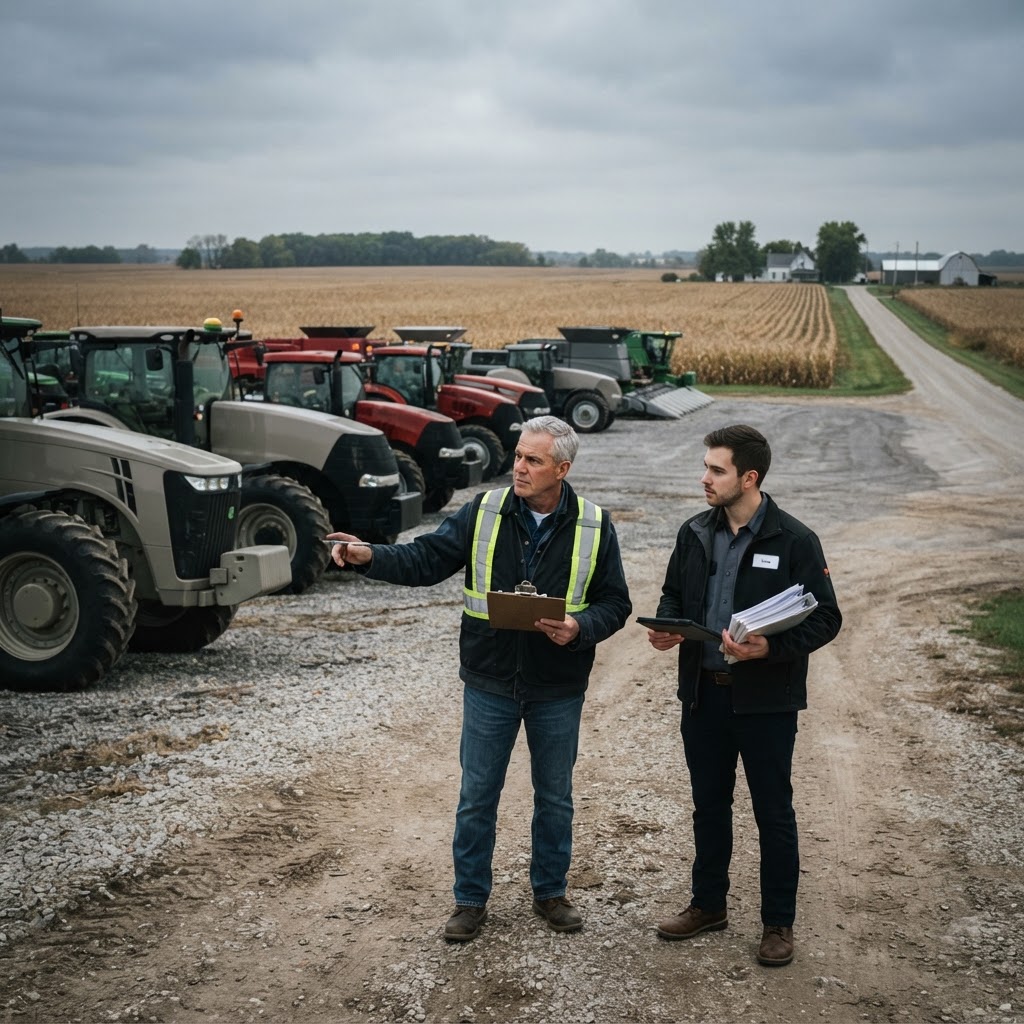
U.S. farm equipment retail sales remained subdued through July 2026 as producers delayed purchases of major machinery, widening the gap between OEM production plans and dealer sales expectations. Reports from RFD-TV show that high interest rates and softer commodity prices are the primary drivers, forcing many operators to push out replacements and rely longer on existing fleets.
DIG Analysis — 2026-08-14: The sustained pullback in retail demand is creating a working inventory problem for OEMs and dealers at a time when seasonal replacement cycles normally accelerate. Expect increased incentive activity on new units, modest price pressure in the late model used market, and a heavier near-term reliance on parts and service revenue to support margins.
What happened and how the market tightened
Through July, unit sales fell short of seasonal norms as farm operators responded to rising financing costs and a decline in commodity receipts. RFD-TV's reporting aligns with conversations we have had with dealer principals and OEM channel managers, who report that order placement is being postponed rather than canceled outright. The pattern is clear: growers facing higher borrowing costs and narrower margins are deferring investments, and those who do buy are favoring smaller, lower-cost units or late model used equipment.
Why this matters for OEMs and dealer networks
John Deere, CNH Industrial and AGCO are all navigating higher than expected retail inventories while balancing production commitments. That misalignment raises several immediate risks. First, inventory carrying costs climb when units sit on lots longer, which pressures gross margins. Second, the finance arms inside OEMs face higher credit exposure if repossessions or prolonged promotional financing increase. Third, a soft new-unit market tends to push price sensitivity into the used market, compressing residual values and complicating trade-in economics for dealers.