 翻译

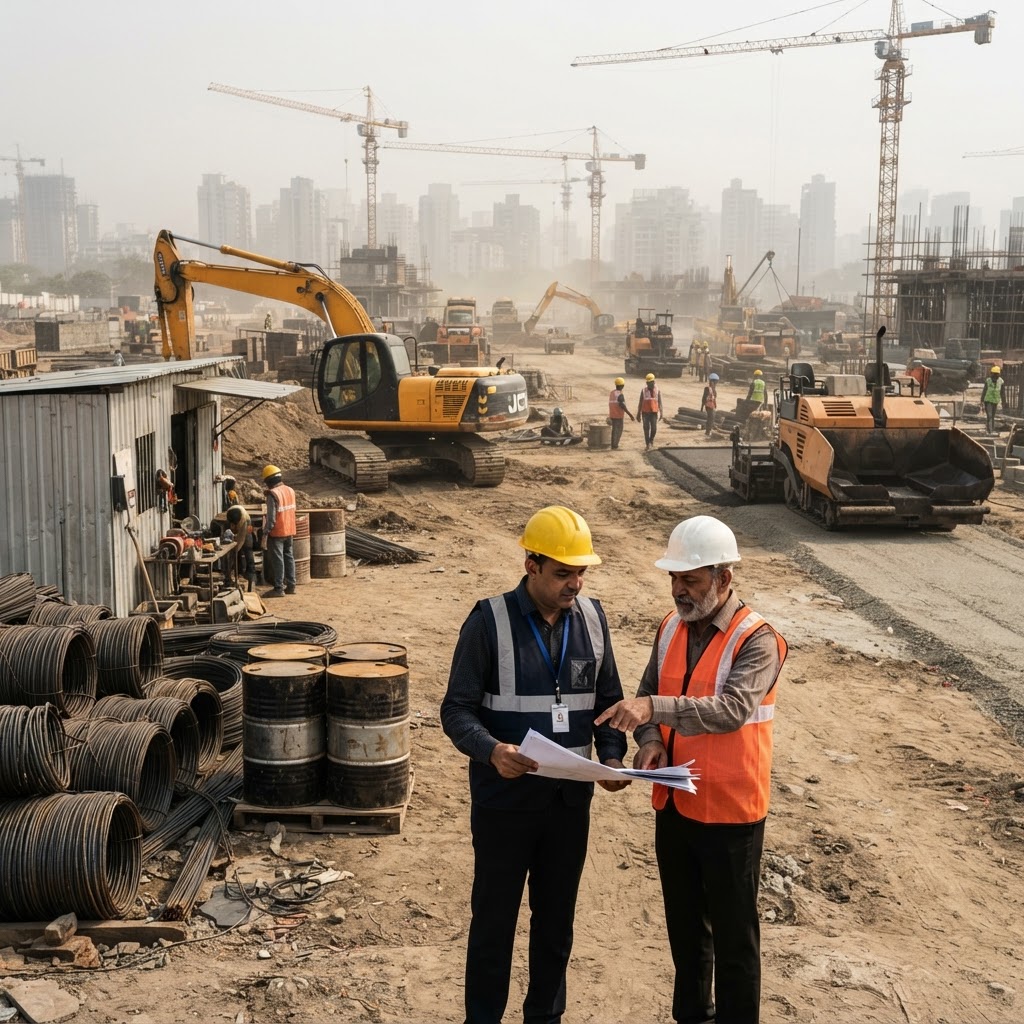
India's construction equipment sector is facing a material cost shock as the prices of steel and bitumen accelerate, forcing manufacturers and contractors to recalibrate delivery schedules, equipment specifications, and project budgets. The immediate effect is visible in delayed orders, stretched supplier payment terms, and compressed margins for original equipment manufacturers.
DIG Analysis — 2026-08-25: Rising raw material prices are not a transient input issue. They are shifting procurement patterns, increasing working capital needs, and elevating execution risk across a market that supplies both domestic infrastructure projects and international export channels. The pressure is concentrated where OEMs lack effective hedging or pass-through clauses in contracts.
What happened: raw material cost escalation and its transmission to equipment prices
Press Trust of India reporting cited by Rediff Money documents sustained increases in steel and bitumen prices over recent months. Steel accounts for a large share of cost of goods sold for excavators, loaders, and cranes. Bitumen raises costs for paving equipment and road construction scopes where OEMs supply integrated attachments or bundled project solutions. The result is twofold. First, direct unit costs rise for new machines. Second, suppliers of subcomponents push longer lead times and minimum order quantities, forcing OEMs to hold more inventory or accept production disruptions.
Manufacturers without indexed supply contracts are absorbing price moves. Those with fixed-price bids on infrastructure projects are encountering margin erosion. Some OEMs are responding by delaying noncritical deliveries, prioritizing high-margin contracts, and selectively increasing list prices. The timeline for recovery is unclear because global steel markets remain influenced by geopolitical tensions and variable export flows.
Why it matters: execution risk, procurement behavior, and capital strain
Higher input costs directly affect three levers for industry players. First, execution risk increases when contractors face material-driven scope changes after contracts are signed. That amplifies claims, slows cash conversion, and raises the probability of disputes. Second, procurement behavior shifts toward shorter supplier lists, larger safety stocks, and a renewed emphasis on local sourcing to limit import exposure. Third, capital strain rises for OEMs and dealers as inventory values climb and financing costs grow. Smaller manufacturers and dealer franchises with limited access to working capital are most exposed.
