
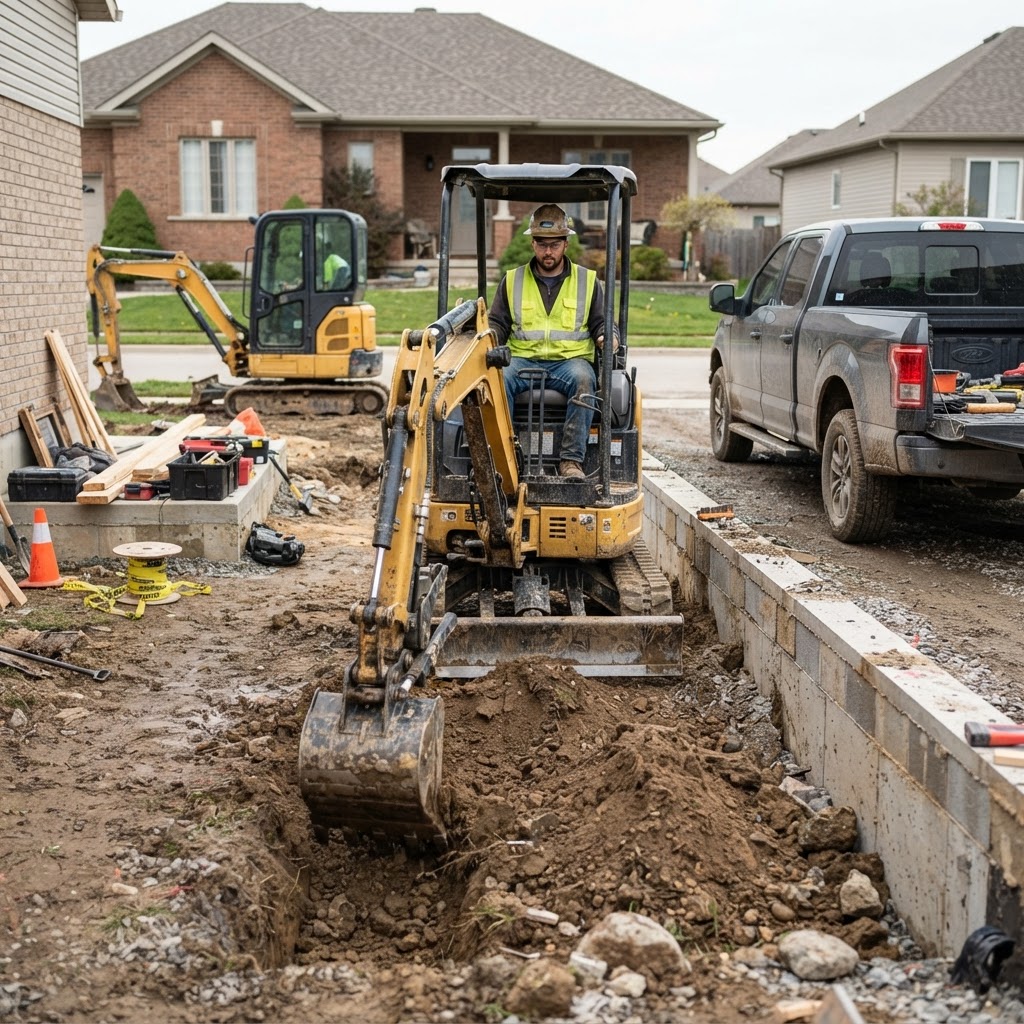
Typhon has introduced the Terror XVII Pro, a 4,000 pound mini excavator that begins at a headline price of $12,000 and ships standard with a bucket, blade, and thumb. Equipment World first reported the machine and Typhon's pricing, which positions the unit well below typical entry points for new machines in the subcompact class while offering a 20.4 horsepower diesel engine and cab or canopy configurations.
DIG Analysis — 2026-08-30: The price point is deliberate. Typhon is selling on acquisition cost to win volume in residential construction, landscaping, and utility work where customers trade payload and cycle speed for lower capital outlay and simple utility.
What Typhon put on the market
The Terror XVII Pro is a 4,000 pound machine with a 20.4 horsepower engine. Typhon packages a standard bucket, front blade, and hydraulic thumb to deliver immediate jobsite capability without costly option lists. Buyers can choose a full cab for operator protection and cold weather use or a lighter canopy for lower tare weight and simpler transport.
- Base weight: 4,000 pounds
- Engine: 20.4 horsepower diesel
- Standard equipment: bucket, blade, thumb
- Configurations: cab or canopy
Typhon's public pricing, as reported by Equipment World, suggests the company intends to compete first on cost and second on convenience. The package reduces up-sell friction and makes a purchase decision straightforward for small operators and rental yards that value low upfront spend.
Why this matters now
Capital expenditure sensitivity remains high in residential and municipal work. Many small contractors and landscapers operate with razor thin margins and limited cash reserves. A $12,000 entry price moves ownership within reach for owner operators and for firms building low-cost rental fleets, and it will pressure competing OEMs that have traditionally relied on higher list prices and option-driven margins.
Two immediate effects are likely. First, dealers will see demand for lower-cost demo and resale units, but they will also face pressure on margins and service revenue per unit. Second, fleet managers will reassess utilization thresholds; at this price point a unit can be treated more like a consumable asset, flipping the calculus for repair versus replace after a hard life on rental or municipal sites.