 Translate

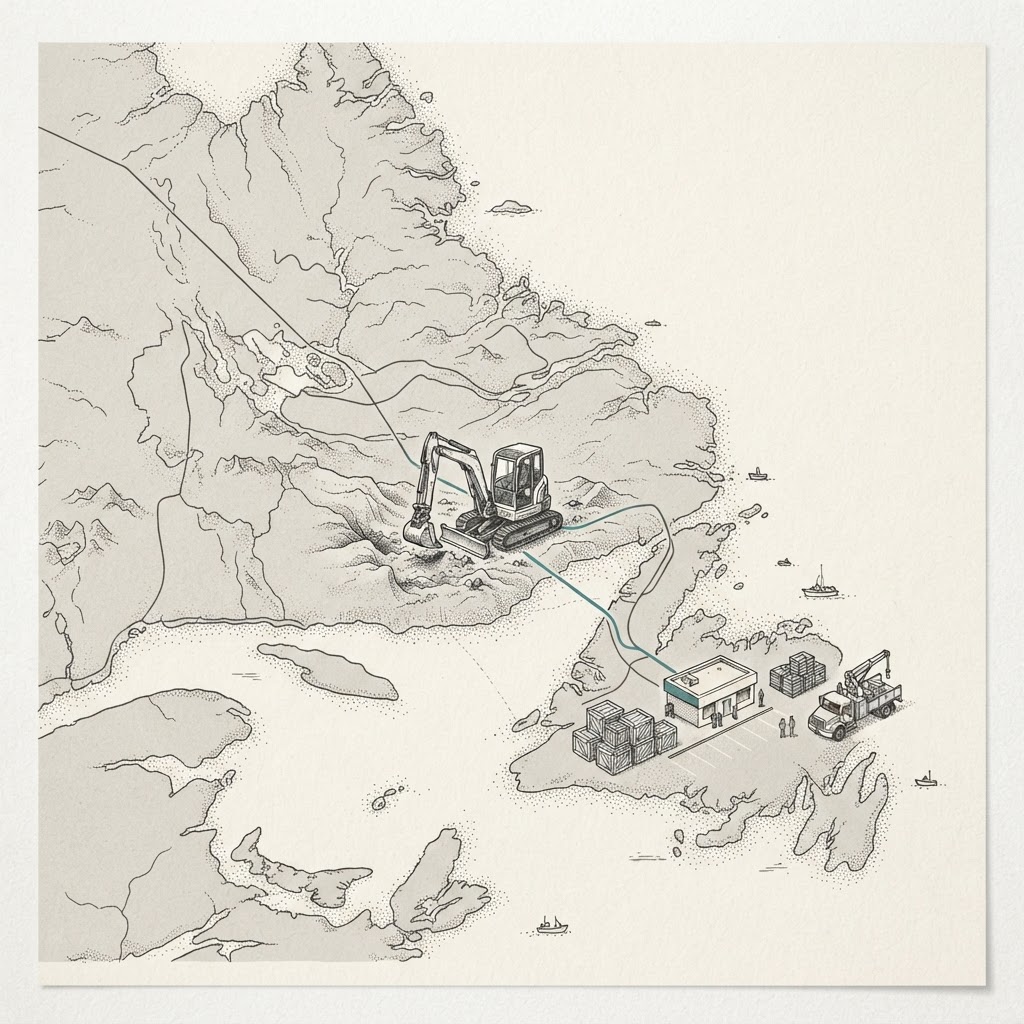
Yanmar has appointed Madsen Construction Equipment to distribute its machinery in Newfoundland and Labrador, extending the manufacturer’s Canadian dealer network into a market where distance and service capacity shape equipment sales. The agreement gives Yanmar a local channel partner in Atlantic Canada, though the companies have not disclosed sales targets, territory details beyond the province or plans for additional locations.
DIG Analysis — 2026-10-13: The appointment is a measured channel-building move, not evidence by itself of a broader change in Yanmar’s North American market position. Its value will depend on whether Madsen can support customers after the sale, and whether the arrangement produces enough business to justify inventory, technician training and parts investment.
Coverage beyond the mainland
Compact Equipment reported the partnership, which places Madsen in charge of distributing Yanmar machinery across Newfoundland and Labrador. The announcement strengthens the company’s presence in Atlantic Canada and fits its stated effort to expand in the North American compact equipment market. Neither the report nor the available announcement details quantify the dealer’s expected volume or identify specific product lines and customer segments covered by the agreement.
Geography gives the appointment practical weight. Newfoundland and Labrador is a large territory with communities separated by long road, ferry and, in some cases, air journeys. A dealer’s ability to keep machines working may therefore depend on where technicians are based, how parts are stocked and how quickly equipment can be moved. A listing on a dealer map is an initial step; dependable field service is what makes coverage meaningful to contractors and other buyers.
For Yanmar, adding a local distributor can extend customer access without the cost and operating burden of building a company-owned branch network. The trade-off is control. An independent dealer decides how much capital to commit to inventory, staff and service infrastructure, while the manufacturer must monitor whether the partner’s capabilities match its standards and customer expectations.
The economics of a territory
Dealer appointments carry obligations on both sides. Madsen will need to make a case for allocating floor space, working capital and technicians to Yanmar products alongside any other brands it represents. Yanmar, in turn, must provide training, parts support and enough product availability to make the line commercially workable. The companies have not said what investments are planned, whether Madsen will add personnel or facilities, or how the parties will measure performance.
Those omissions matter because equipment distribution is a service business as well as a sales business. Contractors buying compact machinery often weigh uptime and access to repairs against the purchase price. If local support is thin, a new brand may struggle to win customers even when the machines suit the work. If demand is modest or seasonal, a dealer may be reluctant to carry a broad inventory, leaving buyers dependent on shipments from outside the province.
